Quality and production

Food quality inspection with computer vision, piece by piece

aisabela uses your cameras to check the weight, bake and defects of every piece on the line or in the bakery, and alerts the line supervisor to adjust on the spot, not after packaging. Built for food factories, bakeries and central kitchens.

Updated:

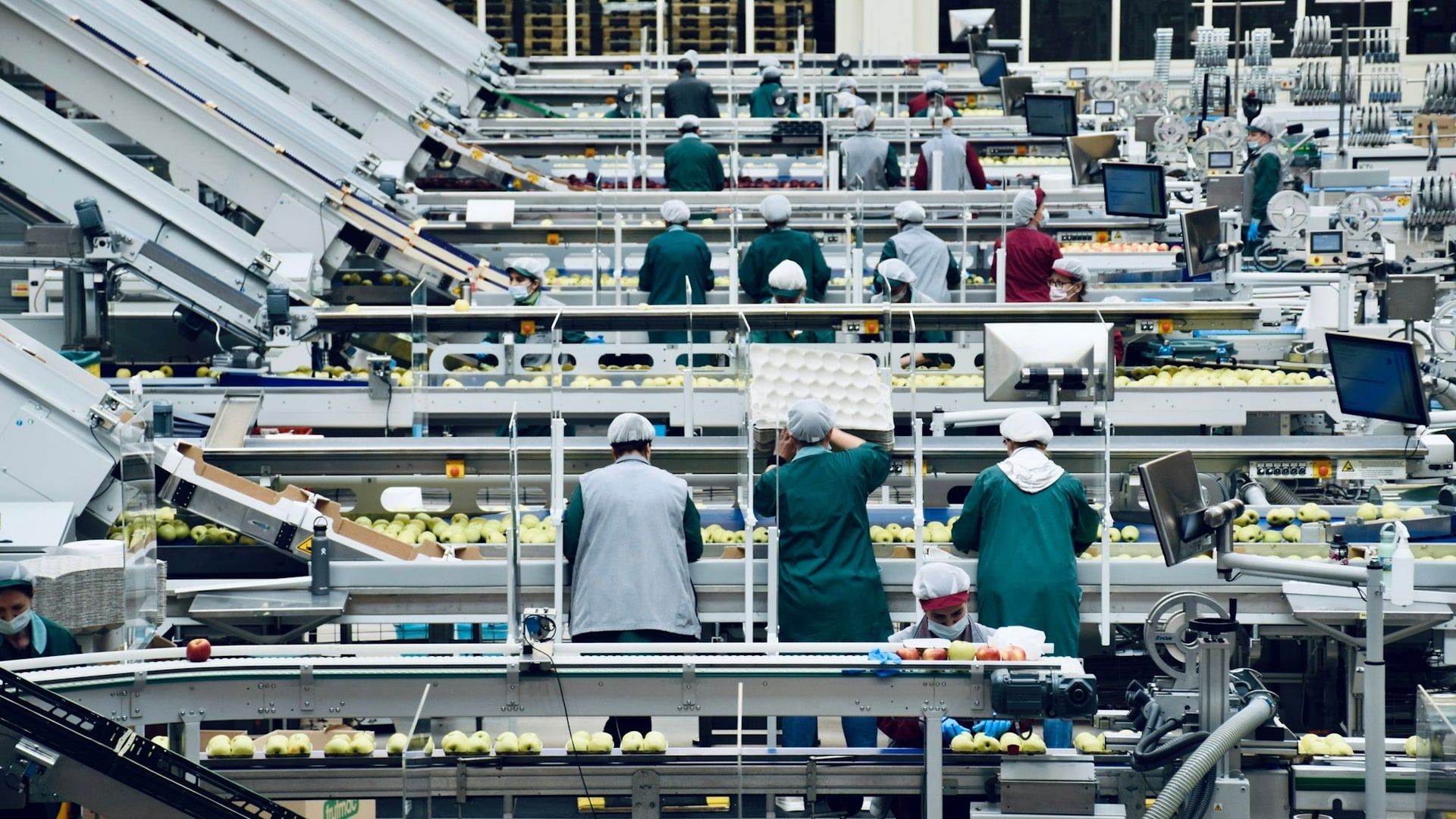
Sorting lines in a food factory, seen from the camera
Factories. Lines 1 and 2 are within weight; on line 3 pieces weigh 112 g against a 100 g ±5 g target. Alert to the line supervisor: adjust the line 3 depositor.

What problem does visual inspection solve in food production?

On a production line, a fault caught late multiplies: every minute, more pieces come out with the same problem.

Today With aisabela
Off-weight pieces found after packaging An alert on the spot to adjust the line
Baking that varies by shift or oven Color and bake compared with your standard
Defects that make it to packaging Defective pieces removed before that
Every shift follows the recipe its own way The same method every shift, measured
Deliveries that don’t match the delivery note Packages counted at receiving

What does aisabela check in production?

Seven quality and production functions, from supplier receiving to finished product.

Piece weight and size (Available)

Every piece within spec.

Checks the size and portion weight of every piece on the line and compares it with the spec. In the example, pieces on line 3 weigh 112 g against a 100 g ±5 g target: the line supervisor gets the alert to adjust the depositor before a whole batch comes out of range.

Who gets the alert
The line supervisor.
Requested by
Food factories

Example alert: Line 3 off-weight (112 g) — Alert to the line supervisor · Adjust the depositor
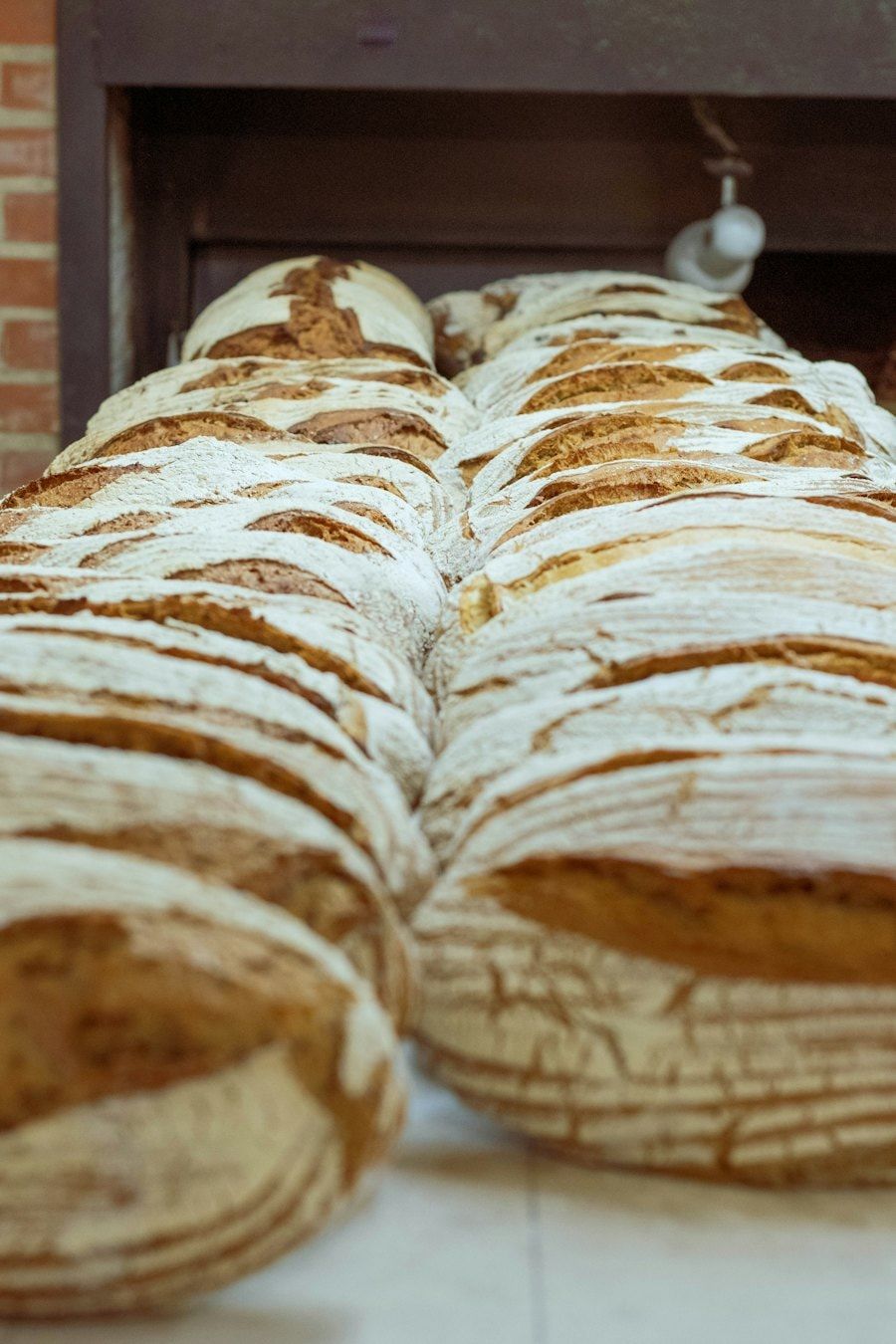
Loaves on a production tray

Baked just right (Custom-trained)

Custom-trained: a skill we train for your product and your site.

Color and bake within the standard.

Compares the color and bake of every batch with your standard and flags pieces that come out pale or overdone. It works the same in a store’s bakery as in a factory oven, and it keeps the batch identified for review.

Who gets the alert
The head baker or line supervisor.

Example alert: Baking outside the standard — Alert to the head baker · batch 14

Pastries inside the oven

Defects off the line (Custom-trained)

Defective pieces never reach packaging.

Spots broken, misshapen or incomplete pieces on the line and alerts quality control to remove them before packaging, while fixing it is still cheap and the product hasn’t left the factory.

Who gets the alert
Quality control.
Requested by
Food factories

Example alert: Defective piece before packaging — Alert to quality control · Removed

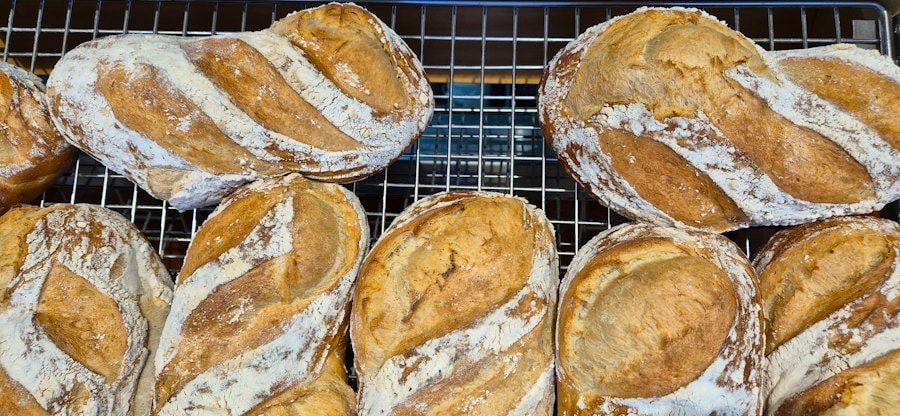
Freshly baked loaves on a rack

Standard recipe and process (Custom-trained)

Every shift, the same method.

Checks that the visible steps of the process—assembly, quantities, order—are done the way your standard says, shift after shift. If a shift drifts, the person in charge knows that same day, not at the next audit.

Who gets the alert
The production manager.
Requested by
Food factories

Example alert: Afternoon shift: assembly differs from the standard — Alert to the production manager

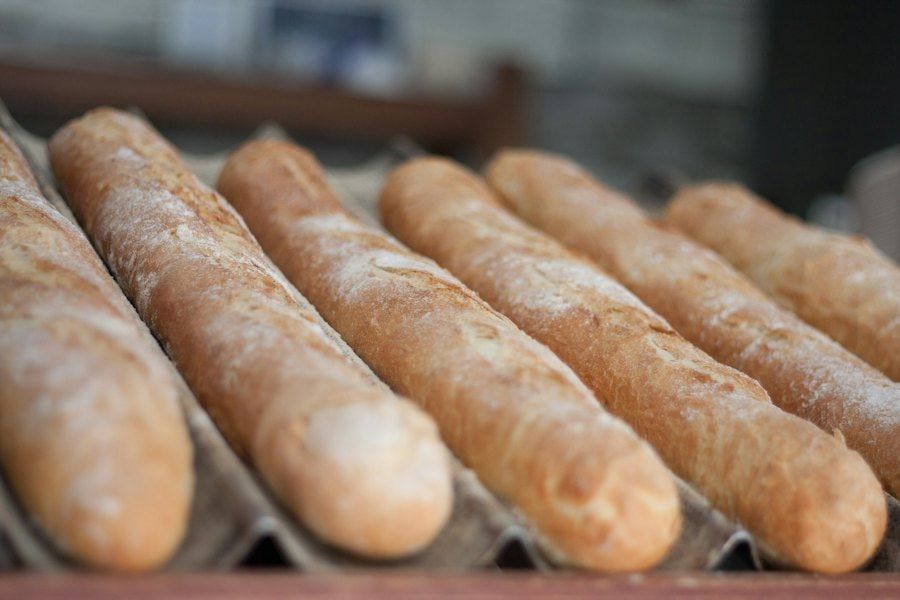
Baguettes on a tray

Prep waste (Custom-trained)

Losses measured per shift.

Measures what gets discarded during prep, by shift and by line, so you know where product is lost and whether an improvement works. The figure sits on the dashboard next to that shift’s production.

Who gets the alert
Production and operations.
Requested by
Food factories

Example alert: Prep waste above usual · morning shift — Alert to the production manager

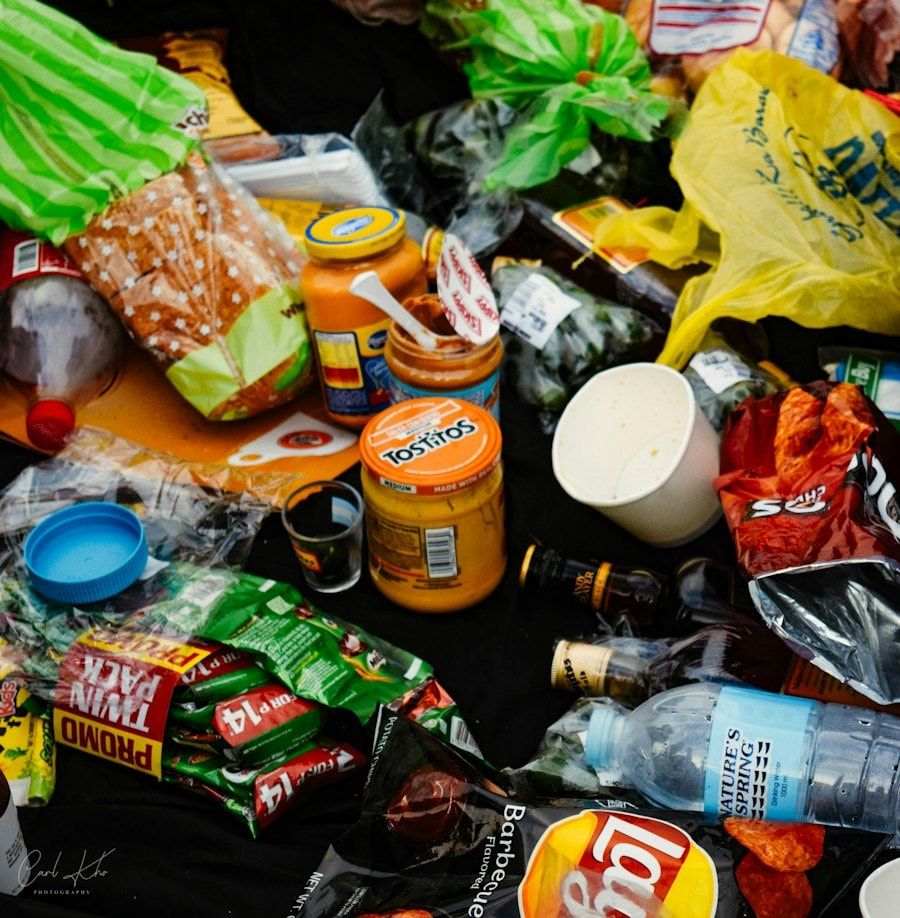
Bag of discarded product

Production to demand (Custom-trained)

You make what you will sell.

Uses what it sees in display cases, on trays and in waste to match each day’s production to what will sell: no empty display cases at noon and no trays in the trash at night. The alert says how much to make, not just that something is missing.

Who gets the alert
The bake team or production planning.
Requested by
Food factories

Example alert: Bake 2 trays of bread — Alert to the bake team

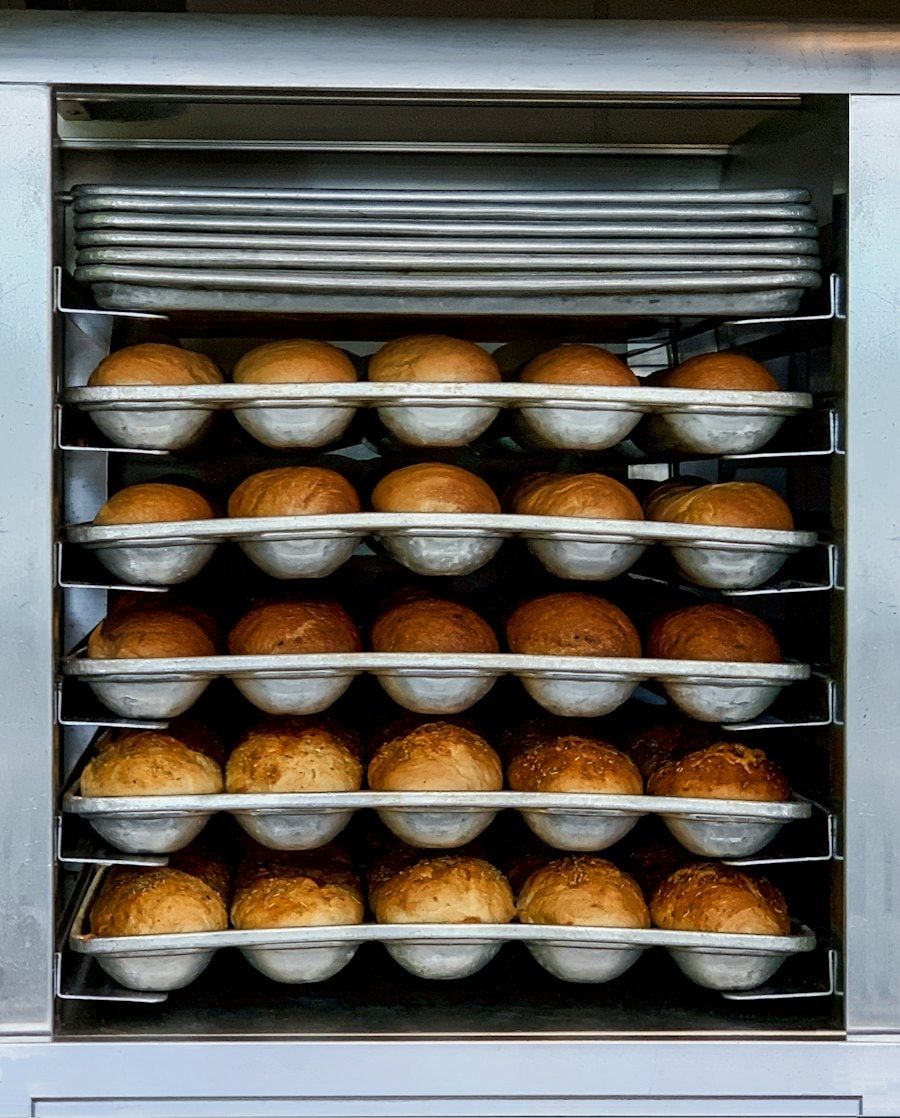
Oven rack with trays of buns

Supplier receiving (Custom-trained)

Packages and quality checked against the delivery note.

Counts the packages coming in at the dock and compares them with the supplier’s delivery note; it also flags goods that arrive in poor condition. Discrepancies are claimed on the spot, with the image as evidence.

Who gets the alert
Warehouse or receiving.
Requested by
Food factories

Example alert: Receiving: 2 packages short of the delivery note — Alert to the warehouse

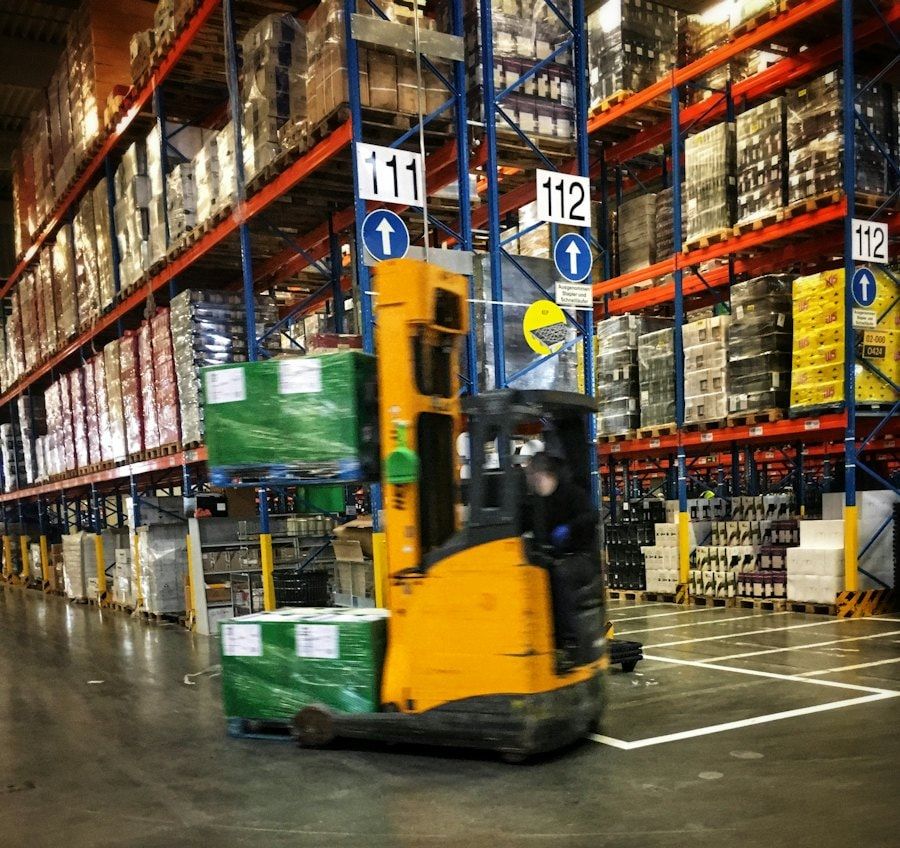
Forklift between warehouse racks

How does camera-based quality control work on the line?

The cameras already looking at the line, the oven or the dock, and the usual cycle: see, decide, act.

  1. See

    IP cameras or cameras connected to a recorder (NVR) over the line, the oven or receiving.

  2. Decide

    Compares every piece or delivery with your spec and spots anything out of range.

  3. Act

    Alerts the line supervisor, quality control or the warehouse with the image and the action: adjust, remove, claim.

What results has it delivered at Malvón Factory?

At the Empanadas Malvón factory, aisabela is used to check the size of the empanadas.

  • 1 by 1 every empanada checked for a consistent size

Source: Malvón case study.

Read the Malvón Factory case study.

Computer vision quality control FAQ

Does it replace a checkweigher or an inspector?

It doesn’t replace them; it complements them. A scale or an inspector checks samples or specific points; aisabela watches the line continuously through the cameras and alerts quality control or the line supervisor when something goes out of range. The decision stays with your team.

Does it work on a moving line?

Yes, that is what it is built for: pieces are checked as they move down the line, as in the line 3 off-weight example. Before the pilot we review the camera positions with you and whether they see the piece clearly.

Do we have to stop production to install it?

No. aisabela connects remotely to the cameras you already have, with no construction work and no line stoppages. If a point on the line has no camera or the camera can’t see the piece well, we tell you when we review the setup.

What cameras does a production line need?

IP cameras or cameras connected to a recorder (NVR) that see the piece clearly. When we review your setup, we confirm which cameras work and at which points on the line.

Can it be adapted to my product?

Yes. The standard is yours: weight or size spec, bake color, defects you don’t accept. aisabela compares every piece with that standard. Marking “Not correct” helps us tune the model to your standard. At Malvón it is used to check the size of every empanada.

Who are you?

Try it with your own cameras

Tell us about your business and we will show you, on your own cameras, the issues aisabela would catch in your day-to-day.

Add aisabela’s AI to your projects

Your clients get more out of their cameras and you open a new line of business. For installers, integrators and distributors.

Controller: ISABELA LABS SL (company in formation). Purpose: to handle your demo, contact or partnership request. Legal basis: consent. Recipients: no data is disclosed to third parties unless required by law. Your data is processed by our technology provider Microsoft, with an international transfer to the US covered by the EU-US Data Privacy Framework. More information in the privacy policy. Rights: access, rectification, erasure and others, see the privacy policy.