Product availability

On-shelf availability with cameras, from display case to aisle

aisabela uses the cameras you already have to know how much product is left in every display case, tray or shelf, and alerts whoever restocks before a sale is lost. Built for restaurants, bakeries and supermarkets. At Malvón: 80% more display case stock in 15 days.

Updated:

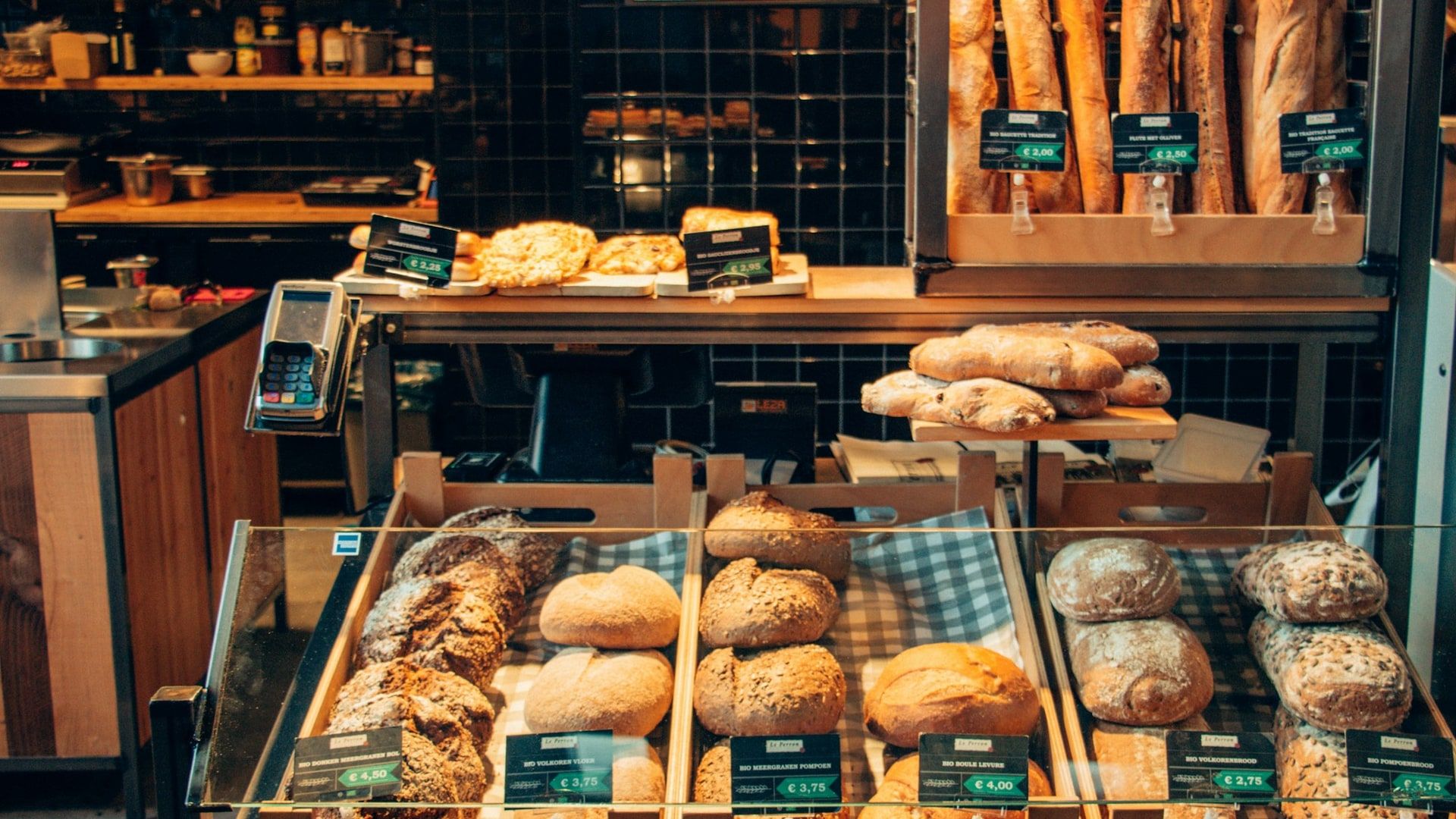
Bakery counter with bread baskets, seen from the camera
Restaurants. Bakery counter: only 4 loaves are left in the right-hand basket against the 20 planned for 1 p.m. Alert to the bake team: bake 2 trays of bread.

What problem does display case monitoring solve?

An out-of-stock on the shelf costs sales every minute it lasts, and it is almost always found too late: after the customer has left empty-handed.

Today With aisabela
The display case or shelf runs empty at peak hours An alert to restock before the gap
Baking and restocking depend on each shift’s gut feeling Every zone compared with what is planned for its time slot
Manual stock counts that take hours Stock levels from the image of the shelves
Expired product turning up in storage An alert for the batch about to expire, before it does
Leftovers thrown away every day without being measured End-of-day waste measured daily, per location

What does aisabela track in display cases, shelves and storage?

Six functions to keep product where customers look for it: from display case stock to end-of-day waste.

Display case stock (Available)

You know what is left on every tray.

Counts what is left on each tray in the display case or counter—deli and meat counters too—and compares it with what is planned for that hour. When a tray drops below plan, it alerts the bake team or whoever restocks, with the exact number. Nobody has to watch the display case to bake on time.

Who gets the alert
The bake team, the kitchen or the department lead.

Example alert: Only 4 loaves left on tray 3 — Alert to the bake team · Bake 2 trays
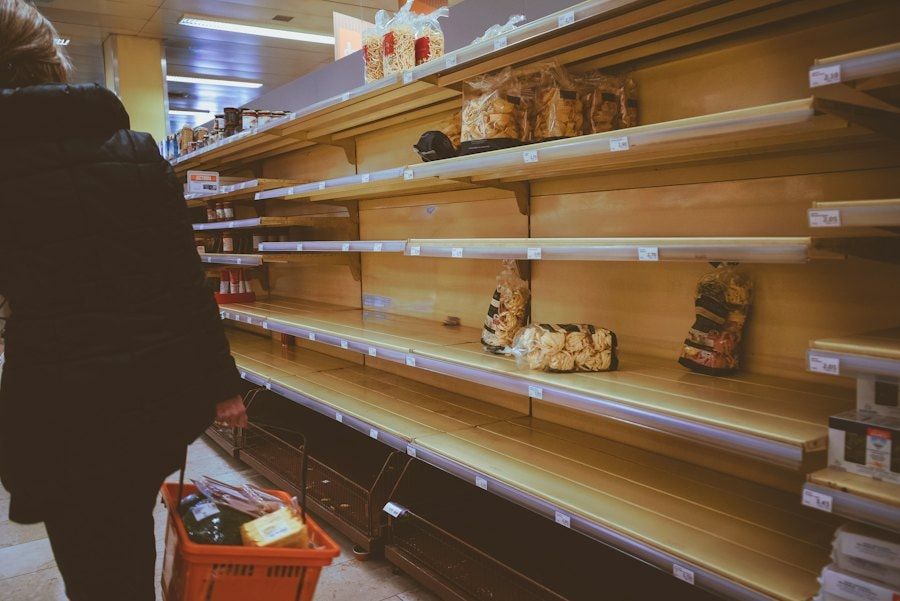
Nearly empty bakery shelves

Product always available (Available)

An alert before it runs out.

Alerts before a product runs out, not once it is gone. aisabela compares what is left with what is planned for the time slot: 4 loaves on the tray against 20 planned for 1 p.m. is reason enough to bake now, even though there is still bread.

Who gets the alert
The bake team or the stock clerk.

Example alert: 4 on the tray vs 20 planned for 1 p.m. — Alert to the bake team · Bake 2 trays of bread
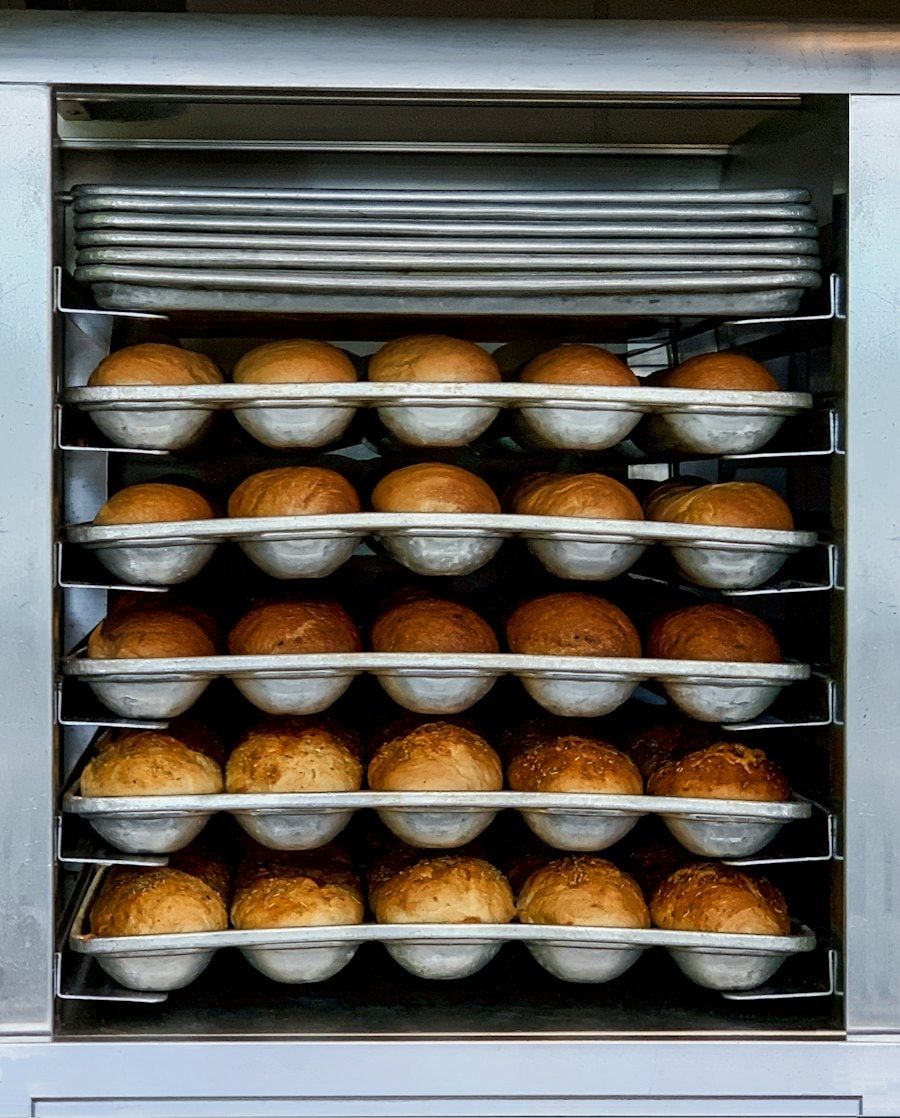
Oven rack with trays of buns

Gap-free shelves (Available)

Out-of-stocks flagged before the sale is lost.

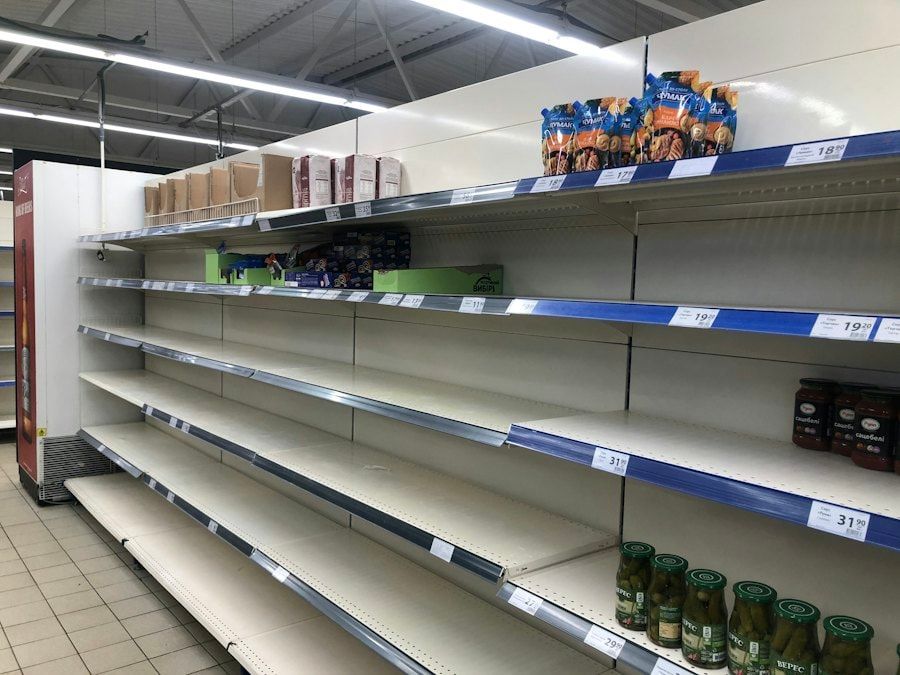
Spots gaps on the shelf in every aisle and flags the product that has run out. In the example, aisle 4 has no dairy left on the shelf and 38 units sold today: time to restock. The stock clerk gets the aisle and the product, and the gap is filled before a customer leaves without buying.

Who gets the alert
The stock clerk for that aisle.
Requested by
Supermarkets

Example alert: Dairy out of stock in aisle 4 — Alert to the stock clerk · Restock dairy in aisle 4

Supermarket shelves with empty gaps

Raw material inventory (Custom-trained)

Custom-trained: a skill we train for your product and your site.

Stock levels without manual counts.

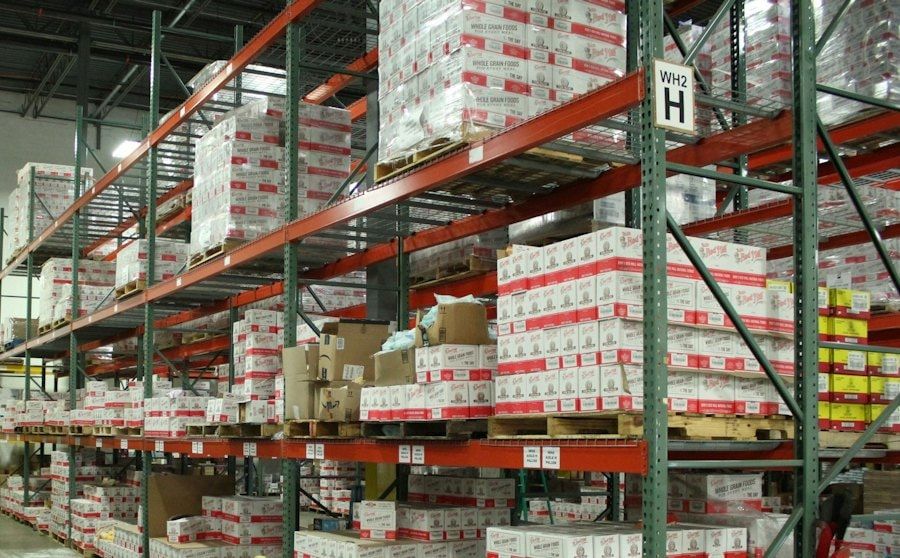
Estimates stock levels from the image of the shelves: raw materials in the storeroom of a kitchen, bakery or factory, and product in a supermarket’s back room (warehouse inventory). You know what is missing before placing the order, without spending hours counting by hand.

Who gets the alert
The purchasing or warehouse lead.

Example alert: Flour below minimum in the storeroom — Alert to purchasing

Storage room with shelves full of boxes

Expiry dates under control (Custom-trained)

Expired product spotted in storage.

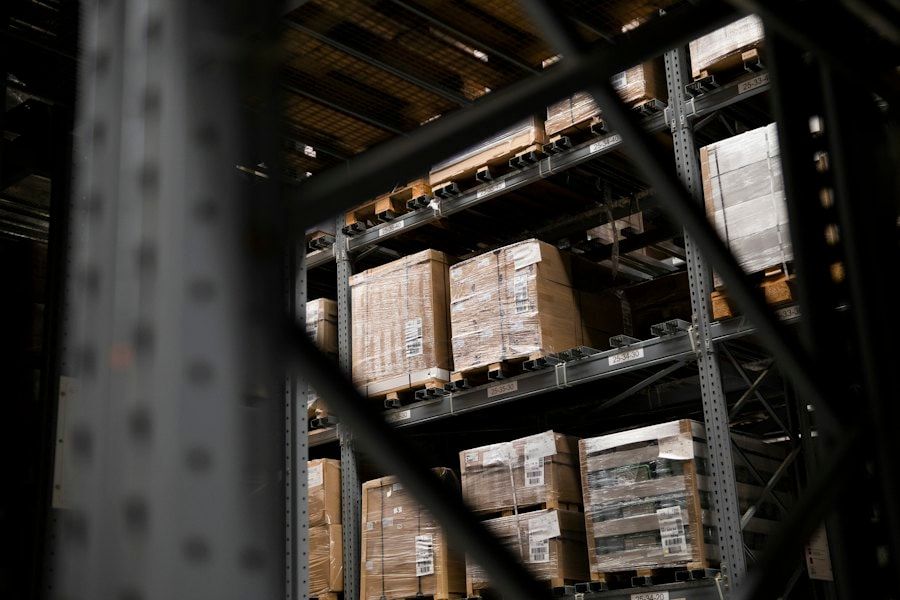
Flags product that is past its date or about to be, and the batch that should go out first. Storage gets rotated before the new batch is opened, and expired product never reaches the display case or the shelf.

Who gets the alert
Whoever restocks, or the warehouse lead.
Requested by
Restaurant chains

Example alert: Batch expiring tomorrow — Rotate before opening the new one

Storage shelves with boxes in dim light

End-of-day waste (Custom-trained)

What is left over each day, measured.

At closing, counts what is left unsold in display cases and on trays and logs it by location and day. With waste measured, you can adjust tomorrow’s production and see which locations throw away the most.

Who gets the alert
The store manager, in the daily report; operations, in the chain dashboard.

Example alert: End-of-day waste: 14 items — Daily report

Bread thrown in a bin

How does aisabela detect out-of-stocks?

With the same cycle as the rest of the platform: see, decide, act.

  1. See

    The cameras already pointing at the display case, the counter, the shelf or the storeroom.

  2. Decide

    Compares what is there with what is planned for each zone and time slot.

  3. Act

    Sends the task—bake, restock, rotate—to the phone of the person who can do it.

What results has it delivered at Malvón?

Empanadas Malvón started with a free aisabela pilot in 4 stores.

  • 80% more display case stock on day 15 of the pilot
  • Every flavor, always in the display case
  • 100+ stores running aisabela after the pilot

Source: Malvón case study. Results vary by business.

Read how Malvón went from 4 stores to more than 100.

Camera-based stock monitoring FAQ

Does it count product or only detect gaps?

Both, depending on the zone. In the display case it counts what is left on each tray, for example 4 loaves against 20 planned; on the shelf it spots gaps and out-of-stock products. At closing it measures what was left over.

How does it know how much there should be?

It compares with what is planned for each zone and time slot—your standard. We go over it with you when the pilot starts. Marking “Not correct” helps us tune the model to your standard.

Does it work for bakeries and supermarkets?

Yes. In restaurants and bakeries it covers display cases, trays and raw material storage; in supermarkets, shelves, counters, fresh produce and the back room. Food factories use it for raw material inventory.

Do I need tags or sensors?

No. aisabela works from the image of the cameras you already have, with no sensors, cables or construction work, and no special tags on the product.

What happens at night or when the store is closed?

Restocking alerts make sense while the store is open, because they are compared with what is planned for each selling time slot. Waste is measured at closing and arrives in the daily report.

Who are you?

Try it with your own cameras

Tell us about your business and we will show you, on your own cameras, the issues aisabela would catch in your day-to-day.

Add aisabela’s AI to your projects

Your clients get more out of their cameras and you open a new line of business. For installers, integrators and distributors.

Controller: ISABELA LABS SL (company in formation). Purpose: to handle your demo, contact or partnership request. Legal basis: consent. Recipients: no data is disclosed to third parties unless required by law. Your data is processed by our technology provider Microsoft, with an international transfer to the US covered by the EU-US Data Privacy Framework. More information in the privacy policy. Rights: access, rectification, erasure and others, see the privacy policy.